

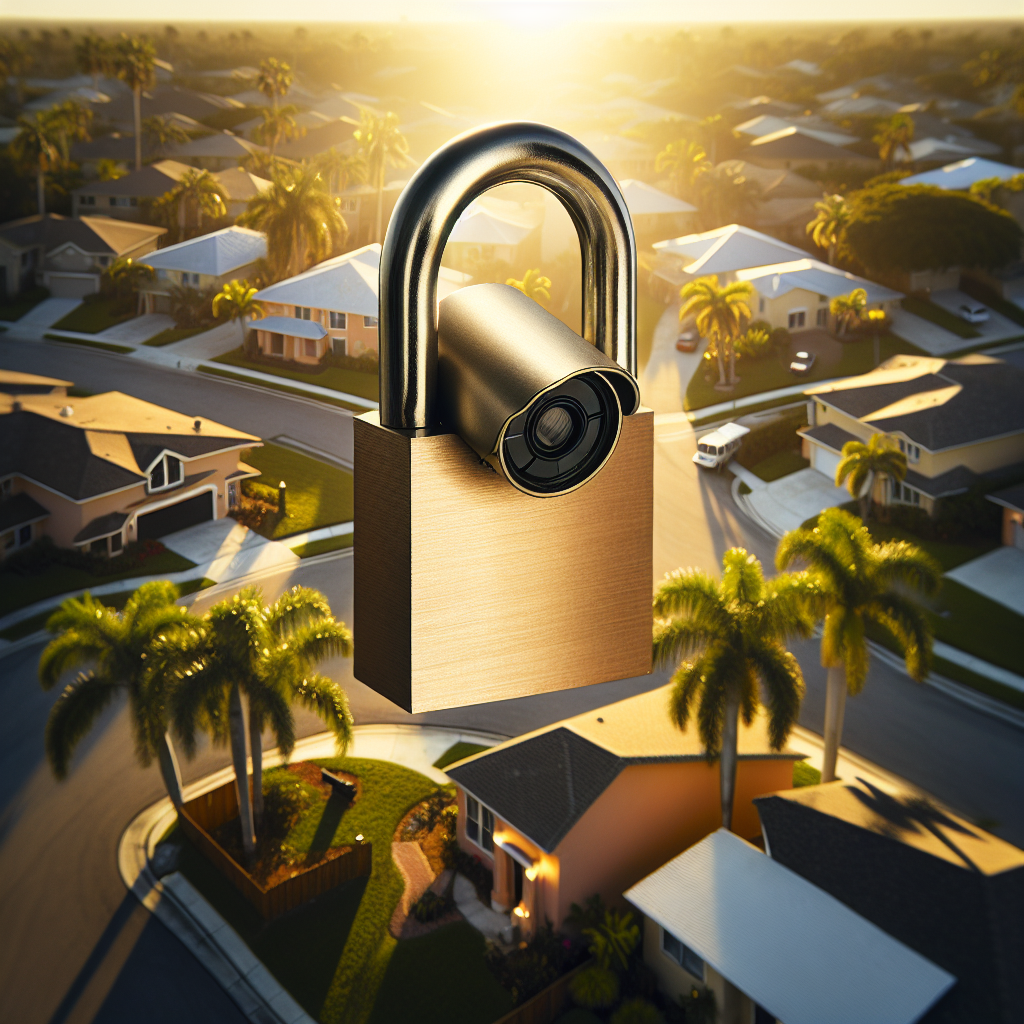
Living in Gulfport, Florida comes with its fair share of beauty and tranquility, but it’s important to stay vigilant and ensure your own safety and the security of your community.
This article provides valuable crime prevention and safety tips for Gulfport Florida residents. From securing your home to being aware of common criminal tactics, these tips will empower you to take proactive measures and create a safer environment for everyone in Gulfport.
Neighborhood Watch Programs
Understanding the Neighborhood Watch Concept
Neighborhood Watch programs are community-based initiatives that aim to prevent crime and enhance the safety and security of residential areas.
These programs bring together residents who are committed to keeping their neighborhoods safe and create a network of vigilant individuals who watch out for suspicious activities, report them promptly, and work collaboratively with law enforcement authorities.
Neighborhood Watch programs rely on the principle of community participation and serve as an excellent way for neighbors to connect and work together towards a common goal: maintaining a safe and secure living environment.
Steps to Start a Neighborhood Watch Program
Starting a Neighborhood Watch program is a simple and effective way to actively contribute to the safety of your neighborhood. Here are some steps to get started:
- Gauge interest and spread the word: Talk to your neighbors and assess their willingness to participate in a Neighborhood Watch program. Share the benefits and explain how it can enhance the security of the entire community.
- Contact your local law enforcement: Reach out to your local police or sheriff’s department and inform them about your intention to start a Neighborhood Watch program. They can provide guidance, resources, and support in organizing and implementing the program.
- Hold an initial meeting: Organize a meeting with interested residents and invite a representative from the local law enforcement agency to explain the goals, benefits, and guidelines of the program. Discuss concerns and establish a strong foundation for the Neighborhood Watch.
- Establish communication channels: Set up a system for effective communication among program members. This can include phone trees, social media groups, or email lists to promptly share information and suspicious activities.
- Hold regular meetings: Schedule regular meetings to update members on any recent criminal activity, share safety tips, and maintain a sense of community within the Neighborhood Watch.
Roles and Responsibilities of Neighborhood Watch Members
Neighborhood Watch members play a crucial role in creating a secure environment for their community. Here are some key roles and responsibilities:
- Maintaining vigilance: Keep a watchful eye on your neighborhood, looking out for any unusual or suspicious activities, strangers, or vehicles. Report any concerns promptly to law enforcement.
- Building relationships: Get to know your neighbors and foster a sense of community. Strengthening relationships makes it easier to communicate and collaborate effectively in times of need.
- Assisting law enforcement: Be an extra set of eyes and ears for law enforcement by reporting suspicious activities promptly and accurately. Provide any necessary information to assist with investigations.
- Educating neighbors: Share safety tips and information with your neighbors to raise awareness about crime prevention techniques. Encourage everyone to be proactive in securing their homes and vehicles.
- Participating in training programs: Attend training sessions and workshops organized by law enforcement agencies to improve your knowledge of crime prevention, personal safety, and emergency preparedness.
- Engaging with the community: Organize or participate in community events to foster a sense of unity and establish a strong bond with your neighbors. Collaboration creates a safer neighborhood for everyone.
Securing Your Home
Installing High-quality Locks
When it comes to securing your home, one of the first and most important steps is ensuring that you have high-quality locks.
Solid and sturdy locks act as a deterrent and make it more difficult for potential intruders to gain access to your house.
Consider investing in deadbolt locks, which are more resistant to forced entry than traditional spring latch locks.
Using Deadbolts and Door Reinforcement Techniques
Deadbolts are an essential component of home security. These locks provide an additional layer of protection and are much more difficult to bypass than regular locks.
Make sure your deadbolts have at least a one-inch throw and are made of solid metal for optimal security.
Additionally, reinforce your doors with strike plates that have longer screws, as weak or insufficiently installed strike plates can make your door vulnerable to forced entry.
Securing Windows and Sliding Doors
Windows and sliding doors are common entry points for intruders. Reinforce these areas by installing window locks and placing dowels or rods in sliding door tracks to prevent them from being forced open.
Consider adding security film to windows, which can make it more difficult for windows to shatter upon impact.
Additionally, ensure that any basement or ground-level windows have sturdy bars or grilles to prevent unauthorized access.
You may also be interested in Living In Gulfport Florida: Neighborhood Guide
Lighting and Landscaping
Importance of Adequate Outdoor Lighting
Adequate outdoor lighting is crucial in preventing crime and enhancing the safety of your home. Well-lit areas deter criminals by reducing hiding spots and making it easier to identify potential threats.
Illuminate the entry points of your home, including doors, windows, and pathways, as well as any dark corners or secluded areas on your property.
Strategic Placement of Lights
Strategically placing lights around your property can significantly enhance its security. Consider installing motion-sensor lights near entrances, which will automatically turn on when someone approaches.
This not only alerts you to someone’s presence but can also startle potential intruders, causing them to flee.
Maintaining Visibility with Proper Landscaping
Proper landscaping plays a crucial role in maintaining visibility and deterring criminal activity. Trim shrubs and bushes near windows and entrances to eliminate hiding spots for potential intruders.
Maintain clear sightlines from the street to your home to enhance surveillance and make it less attractive for criminals to target your property.
Home Security Systems
Benefits of Home Security Systems
Installing a home security system provides numerous benefits in terms of crime prevention and peace of mind.
These systems act as a powerful deterrent, making homes with security systems less likely to be targeted by criminals.
Additionally, they offer round-the-clock monitoring, instant alerts in case of a security breach, and the possibility of connecting directly to emergency services.
Types of Home Security Systems
There are various types of home security systems available, each with its own features and benefits. Some common types include:
- Burglar alarms: Burglar alarm systems use sensors to detect unauthorized entry. When triggered, they emit loud sounds to scare off intruders and alert homeowners, neighbors, or a monitoring service.
- Security cameras: Security camera systems provide video surveillance of your property. Modern cameras offer high-resolution images, night vision capabilities, and remote access for monitoring your home from anywhere.
- Smart home security systems: Smart home security systems allow you to control and monitor your security devices remotely using a smartphone or other internet-connected device. These systems often integrate alarms, cameras, smart locks, and more.
Choosing the Right System for Your Home
Choosing the right home security system depends on your specific needs and budget. Consider factors such as the size of your property, the level of monitoring you desire, and any additional features you may require.
It’s advisable to consult with a security professional who can assess your home and recommend the most suitable system for your needs.
Safety Measures for Vehicles
Parking in Well-lit Areas
One of the simplest yet effective ways to enhance the safety of your vehicle is to park in well-lit areas.
Illuminated parking lots or well-lit streets significantly reduce the chances of your vehicle being targeted by thieves or vandals. Avoid parking in dark and secluded areas whenever possible.
Locking Your Vehicle and Hiding Valuables
Always remember to lock your vehicle, even if you are just stepping away for a short time. Thieves often target unlocked vehicles as an easy opportunity.
Additionally, never leave valuable items visible inside your car. Keep them out of sight in the trunk or take them with you to reduce the temptation for potential thieves.
Using Anti-theft Devices
Using anti-theft devices is an effective way to deter thieves and protect your vehicle. Consider installing a steering wheel lock, a car alarm system, or a tracking device.
These devices create additional barriers and make stealing your vehicle more challenging for criminals.
Personal Safety
Being Aware of Your Surroundings
To ensure personal safety, it’s important to remain aware of your surroundings at all times. Pay attention to people, vehicles, and any suspicious activity happening in your vicinity.
Being conscious of your environment allows you to spot potential dangers and react accordingly.
Avoiding Dangerous Situations
Whenever possible, avoid putting yourself in potentially dangerous situations. Trust your instincts, and if something feels off or uncomfortable, remove yourself from the situation promptly.
This might involve crossing the street, entering a public place, or seeking assistance from a nearby individual or authority figure.
Self-Defense Techniques and Classes
Equipping yourself with self-defense techniques and knowledge can greatly enhance personal safety.
Consider enrolling in self-defense classes to learn physical techniques for protecting yourself in case of an attack.
Additionally, familiarize yourself with basic self-defense strategies such as using your voice, being assertive, and knowing how to escape from various situations.
Cybersecurity Tips
Creating Strong Passwords
Creating strong passwords is crucial to protect your online accounts from unauthorized access.
Use a combination of uppercase and lowercase letters, numbers, and special characters when creating a password. Avoid easily guessed passwords such as birthdates or sequential numbers.
Additionally, use unique passwords for each of your online accounts to minimize the risk of multiple accounts being compromised.
Using Two-factor Authentication
Two-factor authentication adds an extra layer of security to your online accounts by requiring a secondary verification step in addition to your password.
Enable two-factor authentication whenever possible, as this often involves using your smartphone to receive a unique code that must be entered alongside your password to gain access.
Avoiding Suspicious Emails and Links
Be cautious when opening emails or clicking on links, especially if they are from unfamiliar or suspicious sources.
Phishing scams often trick individuals into revealing personal information or providing access to their accounts.
Exercise caution and verify the legitimacy of emails and links before providing any sensitive information.
Emergency Preparedness
Creating an Emergency Plan
Creating an emergency plan is essential in ensuring the safety of you and your loved ones during a crisis.
Discuss and establish a plan with your family members that includes protocols for different emergency situations, designated meeting points, and communication methods.
Practice drills periodically to ensure everyone is familiar with the plan.
Preparing an Emergency Kit
Having an emergency kit ready can make a significant difference during a crisis.
Your kit should include essential items such as non-perishable food, water, a first aid kit, flashlights, batteries, a portable radio, and any necessary medications.
Keep your kit in an easily accessible location and periodically check and replace items as needed.
Knowing Emergency Contacts
It’s crucial to know important emergency contacts for your area. This includes the numbers for local law enforcement, fire departments, hospitals, and poison control centers.
Keep these numbers stored in your phone and written down in a visible location within your home, such as on the refrigerator.
Reporting Suspicious Activity
Recognizing Suspicious Behavior
Recognizing suspicious behavior is an important skill in preventing crime and ensuring community safety.
Some common signs of suspicious activity include people loitering or observing homes for an extended period, unusual vehicle behavior, attempts to break into properties, or individuals attempting to hide or avoid being seen.
Trust your instincts and report any suspicious behavior promptly.
How and When to Report Suspicious Activity
When you observe suspicious activity, report it to your local law enforcement agency immediately. In non-emergency situations, contact their non-emergency phone number.
Provide as many details as possible, including a description of individuals involved, any vehicles, and the location and time of the incident.
Prompt reporting can help law enforcement respond quickly and prevent criminal activity.
Remaining Anonymous
If you prefer to remain anonymous when reporting suspicious activity, you can contact your local law enforcement agency through anonymous tip hotlines or through Crime Stoppers organizations.
These platforms allow you to provide vital information while maintaining your confidentiality.
Remember, it’s essential to prioritize community safety, and reporting any suspicious activity is a valuable contribution towards achieving that goal.
Community Involvement and Engagement
Participating in Neighborhood Watch Meetings
Participating in Neighborhood Watch meetings is an important aspect of community involvement.
These meetings provide an opportunity to connect with neighbors, discuss safety concerns, and exchange ideas for improving the security of the neighborhood.
It also allows for effective communication between residents and law enforcement, fostering a collaborative approach to crime prevention.
Organizing Community Events
Organizing community events strengthens the bond between neighbors and promotes a sense of unity. Consider organizing events such as block parties, neighborhood picnics, or holiday gatherings.
These gatherings provide an opportunity for community members to get to know each other better and build trust, which is crucial in maintaining a safe and secure neighborhood.
Building Relationships with Law Enforcement
Building positive relationships with law enforcement is beneficial for both residents and the community as a whole.
Engage with local law enforcement officers by attending community meetings or inviting them to participate in neighborhood events.
This collaboration fosters mutual understanding, trust, and effective communication, ultimately enhancing the safety and security of the community.
Crime Prevention and Safety Tips for Gulfport Florida Residents – Conclusion
By understanding the concepts of Neighborhood Watch programs, implementing home security measures, prioritizing personal safety, staying vigilant in cyberspace, being prepared for emergencies, reporting suspicious activity, and actively engaging with the community and law enforcement, you can contribute to creating a safer and more secure neighborhood for everyone.
Remember, crime prevention is a collective effort, and by working together, we can ensure the well-being of our communities.